
























2025
Affordable Honeymoon Destination: Cartagena

Welcome, you are in COLOMBIA TRAVEL



Colombia is a flight away. How far are you from the country of beauty?
In Colombia, rhythm runs through our veins. It's a country that will thrill you with a huge range of destinations catering for all tastes.
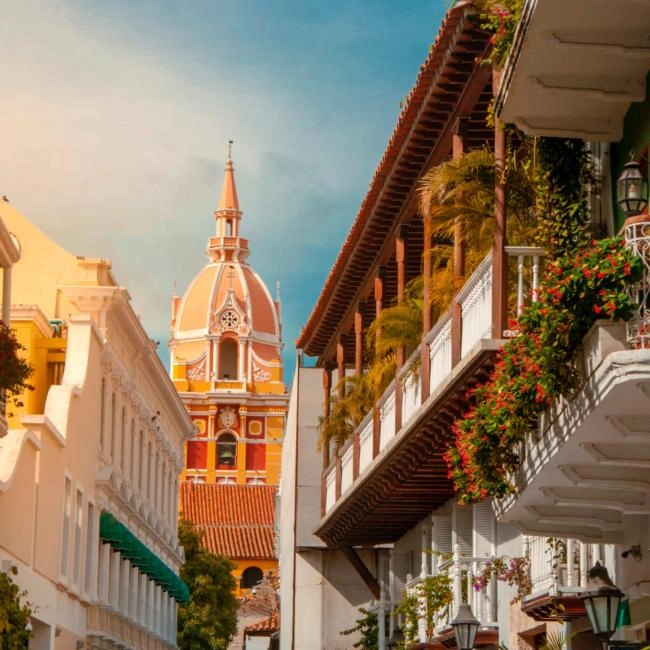
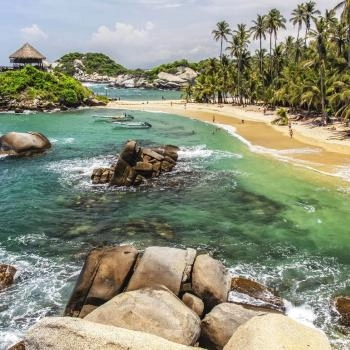
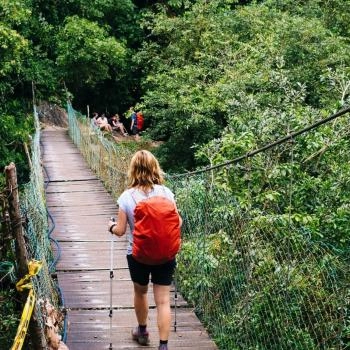
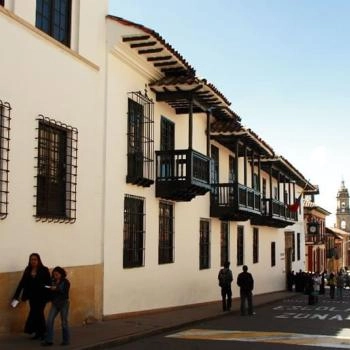
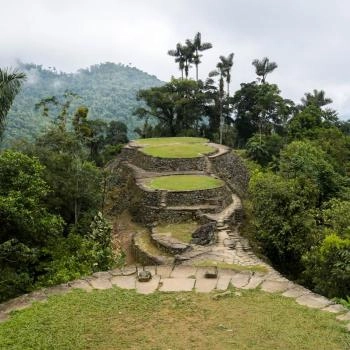
Across Colombia’s regions —Caribbean, Pacific, Andean, Orinoquía, Amazon, and the archipelago of San Andrés, Providencia, and Santa Catalina— you’ll discover charming destinations and unique experiences. This geographic and cultural diversity is the soul of our tourism offer: from jungle adventures in the Amazon to cultural tours in the Andes, paradisiacal beaches in the Caribbean, and authentic encounters with local communities. Colombia invites you to experience tourism in all its forms: adventure, cultural, community-based, gastronomic, business, and much more.

“The location is perfect, the atmosphere, the service, the food, the area... everything comes together to make for a wonderful experience. I highly recommend the seafood paella, which is a good size and has flavors that linger on the palate, not to mention the crème brûlée dessert, the best I've ever tasted. The cost is commensurate with the excellent service.”
A wonderful place to walk, enjoy the outdoors, green spaces, do some sports, and have fun with your family and pets. It's really relaxing.
It is a beautiful place to relax and walk while enjoying nature. It is very well maintained, admission is free, and it is safe for walking. It lacks some signage, but it is a very nice walk. It is very close to the El Cacique Shopping Center. You have to check it out.
The majesty of Chicamocha Canyon never ceases to amaze me, and in Panachi you can enjoy it in all its splendor.
It's very beautiful, everything is very well decorated. The staff were very friendly and it felt like reliving that moment in Israel at the manger.
Colombia's leisure and MICE destinations, as well as its tourism promotion platform, have been awarded various prizes and recognitions throughout the years. Take a look at some of them here.

2025
Affordable Honeymoon Destination: Cartagena

2025
Top Destination For 2025 – Santa Marta

2025
Dream Destination 2025: Medellín

2025
Global Big Day 2025 – Colombia

2024
South America's Leading Beach Destination

2024
South America's Leading Business Travel Destination

2024
South America's Leading Festival & Event Destination

2024
South America’s Leading Honeymoon Destination

2024
Top 10 Best Stews in the World – Ajiaco Santafereño, Colombia
Prepare your trip to the country of beauty with information designed for you and enrich your visit to Colombia,
a place of natural wealth and vibrant culture.