
























2022
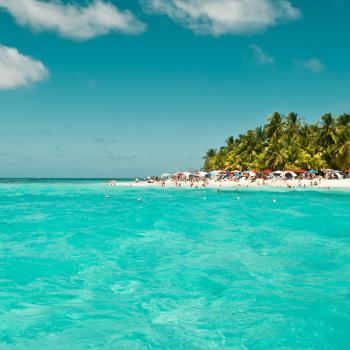
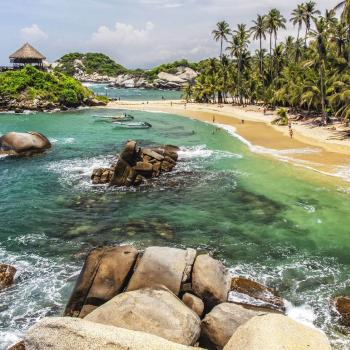
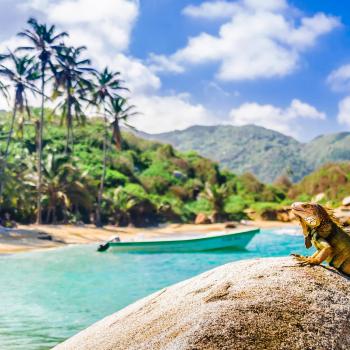
South America’s Leading Beach Destination

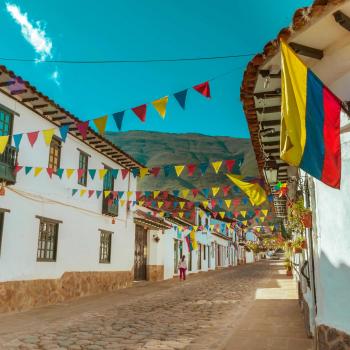
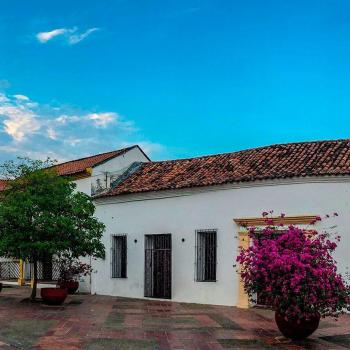
In Colombia, rhythm runs through our veins. It's a country that will thrill you with a huge range of destinations catering for all tastes.
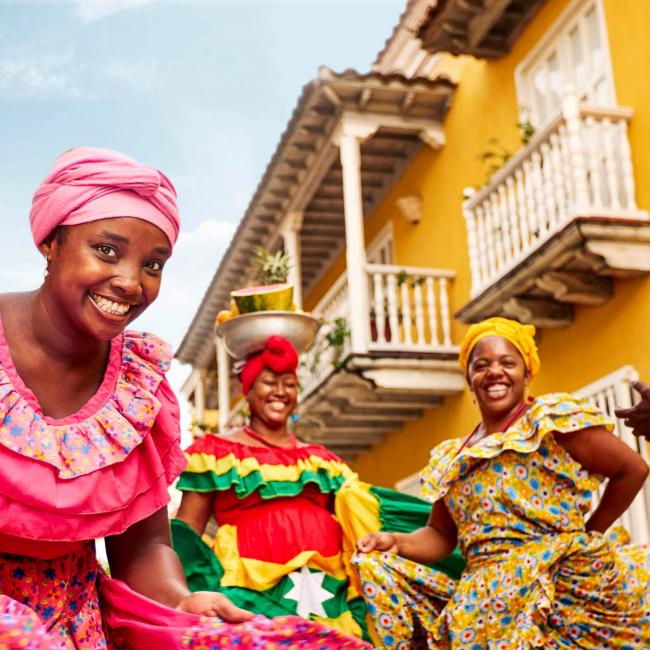
Each of the country's regions offers a different rhythm so you can do what you like most. With adventure tourism, numerous cultural activities and excellent gastronomy, we have everything to make your trip an unforgettable experience.

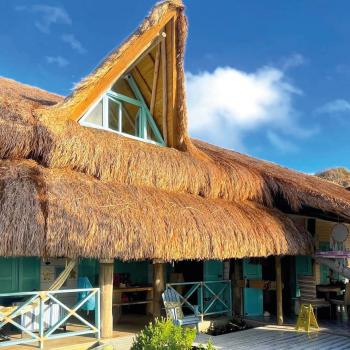
The imagination and creativity in the design of this house defies belief. Amongst the most amazing I have seen in half a century of travelling. The 10'000 COP entrance fee is trivial for the eye-feast you get.
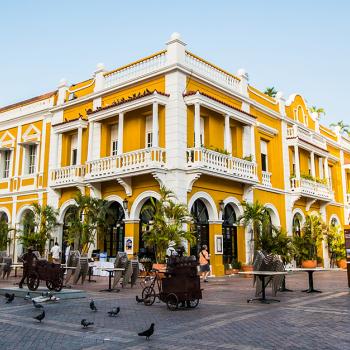
"If you want to spend sometime in a very nice sunny place of the city , this most be the spot. On Sundays there is always live music and some kind of show . There's also a long sidewalk , you can walk while enjoying the brise, the sun and the spectacular view to the Magdalena river. It is usually crowded, but the locals are happy, funny and very friendy.
If you go to Bquilla pass by El Malecon..., a really nice experience!"
This was a wonderful tour to go on. We really ended up learning how much effort and practice goes into a cup of coffee. There was a translator so we were able to fully understand everything, and the people who led the tour were so kind. Definitely worth going to see!
You can go up with the cable car and see by yourself how large Bogota is. I recommend you to do this.
Lots of different animals. Loved the zebras. Lots of educational things for kids. Loved the aquarium and all reptiles.
Colombia's leisure and MICE destinations, as well as its tourism promotion platform, have been awarded various prizes and recognitions throughout the years. Take a look at some of them here.

2022
South America’s Leading Beach Destination

2022
South America's leading tourism promotion entity

2020
Condé Nast Traveler The New Standard Honoree, Innovation Hero

2020
Webby People’s Voice Award
World's Best Tourism Website in the Travel category

2019
Top 30 destinations worldwide according to the International Association of Congresses and Conventions (ICCA) ranking.